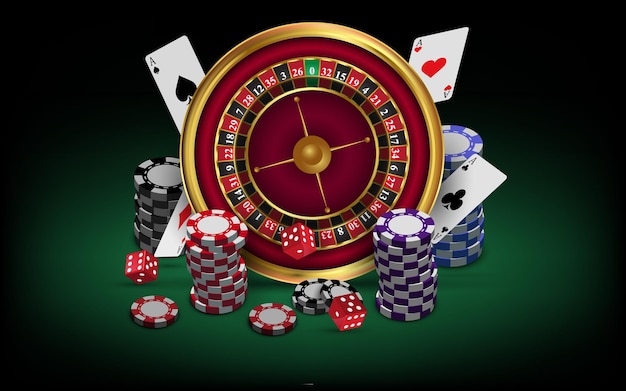
Understanding the psychology behind gambling habits
The Allure of Risk and Reward
The psychology behind gambling is intricately tied to the human attraction to risk and the potential for reward. The excitement of placing a bet can trigger a rush of adrenaline, creating a thrilling experience that many find irresistible. This sensation can be likened to the rush of extreme sports, where individuals seek the thrill of uncertainty. The brain responds to these high-stakes situations by releasing dopamine, a neurotransmitter associated with pleasure and reward, reinforcing the behavior of gambling. For those looking for more insights into digital content and solutions, we recommend exploring resources like fat pirate, which can help navigate various online experiences.
Moreover, the prospect of winning can significantly cloud judgment. Many gamblers develop a cognitive bias known as the «gamblers fallacy,» where they believe that past losses can influence future outcomes. This erroneous thinking can lead to a cycle of increased betting, fueled by the hope of a big win. The psychological thrill of gambling lies not just in the action itself, but also in the belief that fortune could favor them in their next play.
The Role of Social Influence
Social contexts play a critical role in shaping gambling behaviors. Many people are introduced to gambling through friends or family, normalizing the activity and integrating it into their social lives. Peer pressure can elevate the desire to participate, leading individuals to engage in gambling even when they might not otherwise consider it. Social interactions at casinos or online platforms can enhance the overall experience, further embedding gambling into a person’s lifestyle.
Additionally, the communal aspect of gambling can create a sense of belonging among participants. Sharing experiences, wins, and losses with others can lead to stronger emotional ties, making it difficult for individuals to step away from gambling. This social reinforcement can perpetuate gambling habits, as individuals are often more likely to gamble in groups where the atmosphere is charged with excitement and camaraderie.
Addiction and Escalation
The fine line between recreational gambling and addiction can become blurred, leading some individuals down a troubling path. Gambling addiction is classified as a behavioral addiction, characterized by an uncontrollable urge to gamble despite the negative consequences. As individuals chase their losses, they may find themselves escalating their bets, often leading to financial ruin and emotional distress. 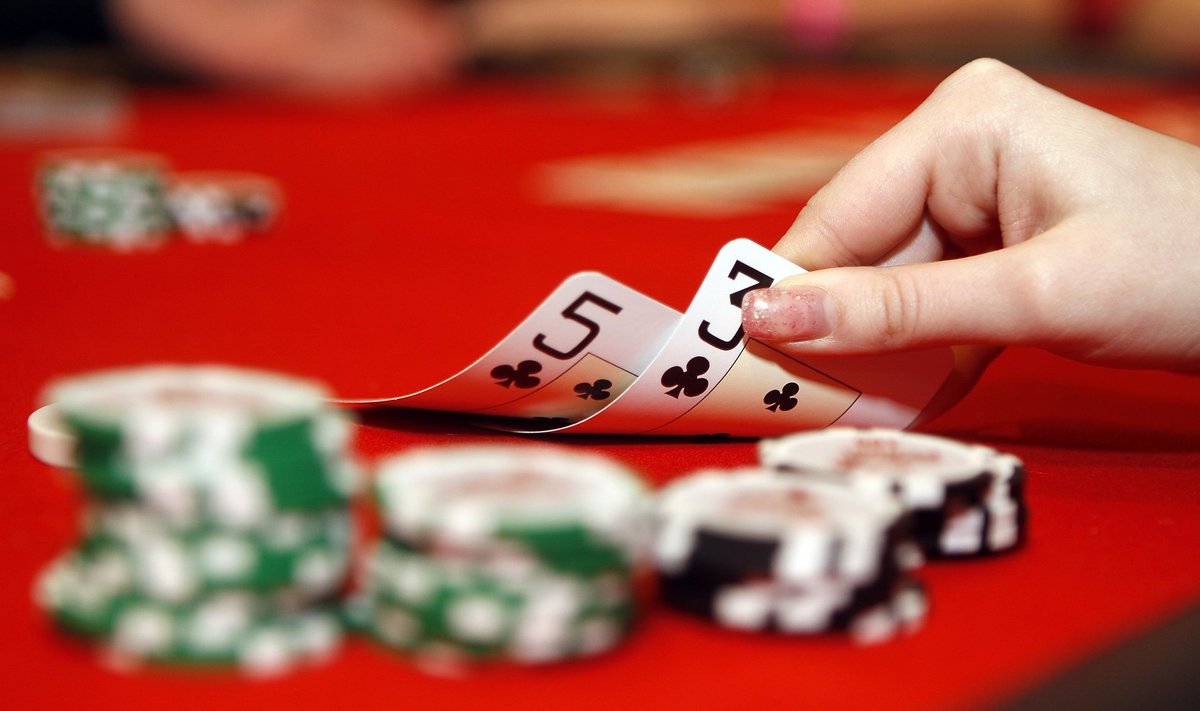
Understanding the psychological mechanisms that contribute to gambling addiction is essential for developing effective interventions. Cognitive-behavioral therapy, for instance, can help individuals recognize and modify harmful thought patterns associated with their gambling habits. By addressing the underlying psychological drivers, those struggling with gambling addiction can find healthier coping mechanisms and regain control over their lives.
Finding Balance and Seeking Help
For many, gambling can remain a harmless pastime when approached with moderation. However, it is crucial to recognize personal limits and remain aware of the signs of problem gambling. Engaging in self-reflection and maintaining healthy boundaries can help prevent gambling from becoming a detrimental habit. Resources such as support groups and counseling can provide valuable assistance for those who find themselves struggling.
At fatpirate.co, we understand the complexities of human behavior and are committed to providing insightful resources that promote well-being in the digital landscape. We encourage individuals to explore their interests while ensuring they remain informed about the potential risks and rewards associated with various activities, including gambling. Join us in discovering creative solutions and fostering a balanced approach to life’s adventures.